Vertex Publisher Model Resource Validation at the HTTP Boundary

A Gemini Enterprise Agent Platform generateContent call names its target in a fully qualified publisher model or tuned endpoint resource. This guide turns that path into a preflight control that binds project, location, publisher, model, service endpoint, cached content and caller policy before an authenticated HTTP request leaves the gateway.
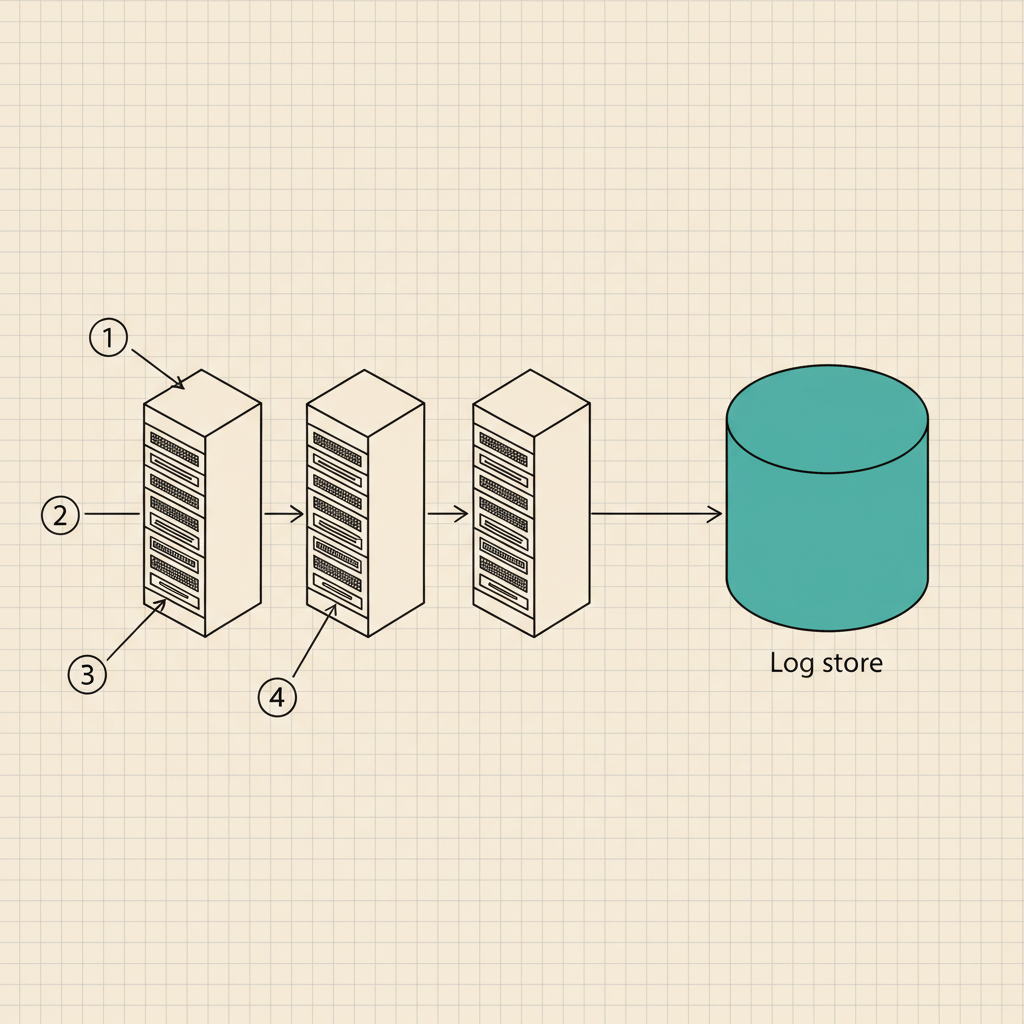
A Gemini content request carries its target in the URL path. Google's current REST method requires a fully qualified publisher model such as projects/acme-prod/locations/us-central1/publishers/google/models/gemini-example, or a tuned endpoint under projects/{project}/locations/{location}/endpoints/{endpoint}. That string drives authorization. I want the gateway to parse it before forwarding the authenticated HTTP request, compare every component with the approved route, and preserve the exact value in the decision record.
TL;DR
- Parse the required
modelpath parameter as a fully qualified publisher model or tuned endpoint resource before forwarding. - Bind project, location, publisher and model to the authenticated caller's approved route. Reject mixed or unknown resource shapes.
- Validate cached content against the same local project and location policy instead of treating it as an unrelated body field.
- Preserve the requested resource, service endpoint, caller identity, policy version and decision in one request record.
Google defines two accepted model resource shapes
Google's current Gemini inference reference describes generateContent and streamGenerateContent as the content-generation operations for Gemini models. The page now sits under the Gemini Enterprise Agent Platform name, even though many route inventories still call the service Vertex AI.
The narrower REST method reference makes the URL contract explicit. models.generateContent accepts POST https://{service-endpoint}/v1/{model}:generateContent. The required model path parameter is either a publisher model in the format projects/{project}/locations/{location}/publishers/*/models/* or a tuned model endpoint in the format projects/{project}/locations/{location}/endpoints/{endpoint}.
The same reference says the operation requires aiplatform.endpoints.predict on the model resource. IAM evaluates Google Cloud resource access. A local route policy can add a narrower decision based on the originating user or agent, approved project, data class and exact destination.
Parse the resource before applying route policy
Treat the path as a typed resource, then apply policy to the parsed fields. Parse a publisher model into its project, location, publisher and model values while requiring Google's literal segment names in their documented order. A tuned endpoint parser has its own grammar and ends with endpoints/{endpoint}. Keep the two variants separate in code and telemetry.
Reject empty values, extra path segments, encoded separators and a trailing operation suffix inside the captured resource. Decode once according to the HTTP stack's documented behavior, then compare the resulting segments. Preserve the raw path as evidence beside the parsed form. Repeated decoding creates ambiguity that a route policy should never inherit.
My opinion is blunt: a regex that merely finds /models/ is unfit for an authorization boundary. It accepts too much and leaves the reviewer guessing which project or publisher the application actually selected. The AI model governance guide explains why the requested alias and resolved deployment identity belong in production evidence.
Bind every parsed field to an approved route
A valid Google resource name can still violate enterprise policy. Build a route record with the allowed Google Cloud project, location set, resource kind, publisher and model identifier. Add the permitted service endpoints and the authenticated caller roles. The gateway should compare the parsed request with that record before it sends prompt content upstream.
Compare the resource literally because case folding, punctuation cleanup and silent alias substitution can turn an unapproved target into an apparently approved one. If an application accepts a friendly alias, resolve it through a versioned local map before constructing the provider request. Record the alias, resolved resource and map version separately.
Check location in the model resource and in the Google service endpoint selected by the hostname. Your local configuration should state which combinations are approved, including any global route you deliberately support. A green IAM result proves that the workload can invoke the resource; it says little about the originating user's permission to send a particular classified prompt. That is the post-authentication gap.
Body references need the same location discipline
The REST method also accepts optional cachedContent in the format projects/{project}/locations/{location}/cachedContents/{cachedContent}. Parse that field with a separate resource grammar and compare it with the route policy. Hold a request when its cached context comes from an unapproved project or location.
This is a local admission rule, rather than a claim about undocumented provider rejection behavior. Some organizations may approve a cross-project pattern under a specific service design. That exception should name both projects, the allowed locations, owner, expiry and test evidence. A wildcard exception erases the control.
Other request fields keep their own semantics. Google says labels are used for billing and reporting. It also says modelArmorConfig and safetySettings cannot both be supplied. Resource validation should retain those provider rules, while avoiding the fiction that a billing label authorizes a destination.
The destructive fixture should fail before prompt egress
Put an upstream stub behind the deployed gateway and give it a large red request counter. Then send a small matrix of synthetic requests under a named test identity. The counter should stay at zero for every locally denied case.
Test a publisher resource with the wrong project and one with an unapproved location. Add an unknown publisher, an empty model value and an encoded slash. Send the tuned endpoint shape through a publisher-only route. Then pair an approved model with cached content from a disallowed project. Finish with a valid resource under a caller role that lacks permission in the local route policy.
For each case, retain the raw target and parsed resource kind. Add the supplied identity, matched route, policy version and decision reason. Record the service endpoint and cached-content resource where present. The HTTP-layer policy enforcement guide describes why the decision must occur before the provider receives the request.
DeepInspect
DeepInspect can enforce this route contract on HTTP traffic deliberately sent through it between authenticated users or agents and an LLM endpoint. It can parse the requested model resource, evaluate application-supplied identity and role, classify the prompt, compare the destination with versioned policy, and block a denied request before Google receives it. The resulting per-decision record can retain the exact target and policy outcome.
Google Cloud IAM, publisher model availability and provider-side model resolution remain Google and application responsibilities. The application must supply trustworthy identity context and construct the request. Direct calls that bypass the configured proxy sit outside DeepInspect's evidence boundary.
Book a technical deep dive at deepinspect.ai.
Frequently asked questions
- Is a syntactically valid publisher model resource automatically approved?
Syntax establishes only that the string fits a documented resource shape. Approval is a local policy decision tied to the caller, project, location, publisher, model and use case. Google Cloud IAM still decides if the invoking principal has
aiplatform.endpoints.predicton the resource.- Should a gateway rewrite short model names into full resources?
A gateway can resolve a short name through an approved, versioned map. It should reject unknown aliases and record the original alias, resolved resource and map version. Silent best-match behavior weakens review and rollback evidence.
- How should tuned endpoints be handled?
Use the separate tuned endpoint grammar documented by Google:
projects/{project}/locations/{location}/endpoints/{endpoint}. Give that resource kind its own allowlist and evidence fields. A publisher-model rule should reject it unless the route contract expressly accepts both shapes.- Does resource validation replace Google Cloud IAM?
Resource validation complements IAM, which protects access to the Google Cloud model resource. Gateway validation can bind the originating authenticated user or agent, prompt classification and approved route to the exact outbound HTTP request. Both decisions should remain visible in incident evidence.