ML Engineer AI Risk Checklist for Model Promotion

This ML engineer AI risk checklist turns model promotion into a signed engineering decision. It fixes the intended use, model and dataset lineage, evaluation conditions, artifact integrity, serving configuration, runtime policy contract, monitoring thresholds, rollback proof, and objective evidence required before a model release can receive production traffic.
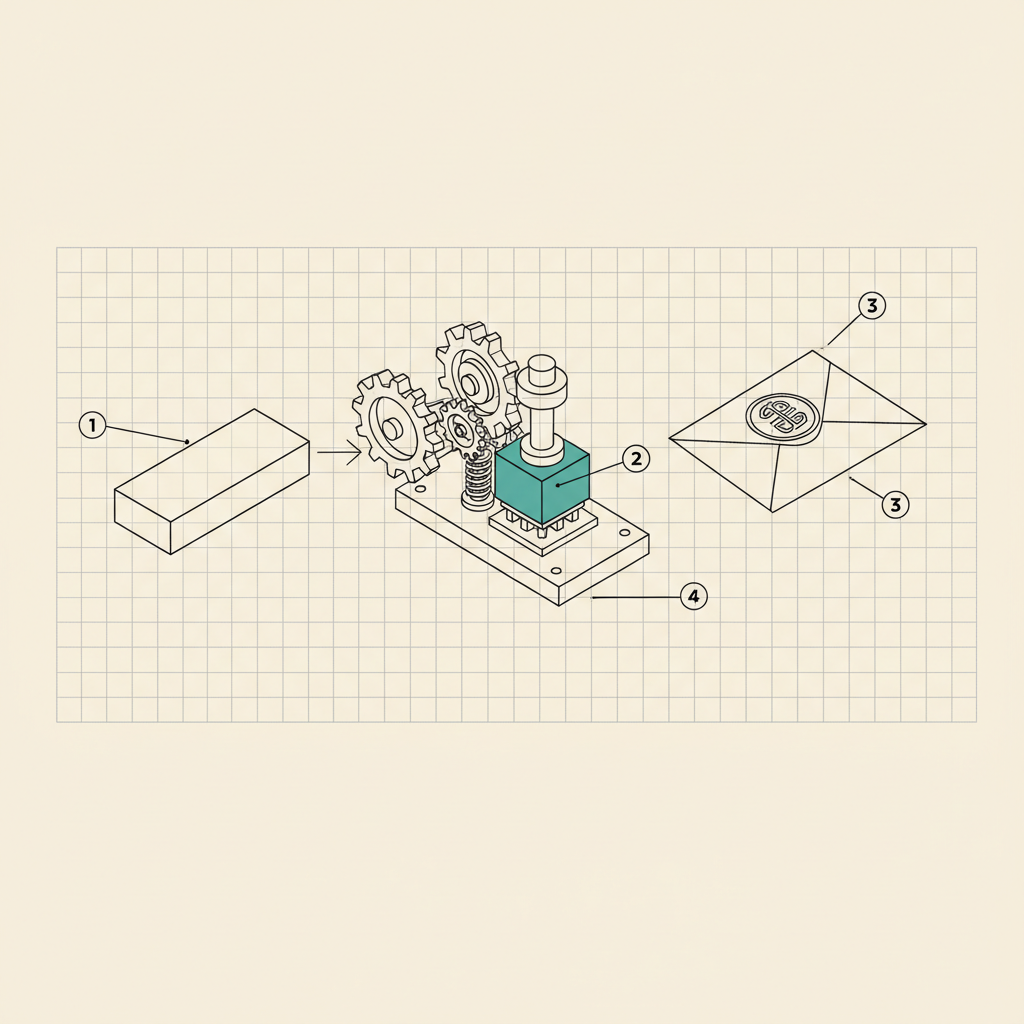
A model can improve its aggregate evaluation score and still lose the only test slice that protects a production use. The ML engineer AI risk checklist below makes model promotion a signed engineering decision tied to the exact artifact and data snapshots. It also fixes the evaluation conditions and serving configuration, with a named rollback target. The checklist complements AI governance for ML engineers. It decides if one candidate may receive production traffic.
TL;DR
- Freeze the candidate model and intended use before review. Also freeze training and evaluation lineage, inference configuration, plus dependency versions.
- Compare the candidate with the current production release on approved metrics and risk slices, preserving failed cases and reviewer decisions.
- Verify artifact integrity, runtime identity and destination policy, monitoring thresholds, and a tested rollback on a production-like route.
- Sign a promotion, conditional promotion, or hold record that links every claim to reproducible evidence.
Check 1: define the ML engineer AI risk checklist boundary
Name the system and use-case ID alongside the candidate model. State the business purpose and affected users, then record prohibited uses and expected decision impact. Record the current production release beside the candidate. Freeze the prompt or feature configuration and inference parameters. Pin the serving image and model route, then name the release owner.
A floating alias such as latest fails this check. Resolve external models to the provider's concrete deployment identifier where available. Record controlled weights with an artifact digest. The AI model security guide covers threats to model assets; the promotion record identifies the exact asset being reviewed.
Pass condition: another engineer can reconstruct the candidate boundary without asking which model or configuration the ticket meant. The route and purpose must be equally clear.
Check 2: prove data and model lineage
The ML engineer should link training and fine-tuning datasets to immutable snapshots. Validation and evaluation datasets need the same treatment. Record origin and collection window alongside transformation code and label source. Add filtering and any license or usage restriction, then record approval state. Derived data should point to its parent and transformation.
NIST's Generative AI Profile recommends inventory entries containing provenance information such as sources and signatures, plus versioning. It also calls for underlying foundation models and their versions. Access modes belong in that inventory too. Unknown lineage belongs in the decision record as a gap with an owner.
Pass condition: each evaluated sample resolves to an approved snapshot and transform, while the candidate resolves to its base model and any adapter or fine-tune.
Check 3: compare evaluations under deployment conditions
Run the approved evaluation suite against the candidate and current production release under the same documented conditions. Name the suite commit and dataset snapshot. Document the metric implementation and threshold, plus model settings and execution environment. Record the random seed where relevant. Preserve failed cases or protected references to them.
The NIST AI Risk Management Framework states in MEASURE 2.5 that the system to be deployed should be demonstrated as valid and reliable, with limitations documented. Aggregate results need approved slices tied to the use. A support model may need separate tests for refund advice, identity data, and unsupported citations even when its overall score rises.
Pass condition: every release criterion has a result and evidence link. Any missed threshold has a named approver and bounded condition. Its record also needs an expiry and closure test.
Check 4: verify artifact and build integrity
Record the source commit and build job. Add the dependency lockfile and serving image digest. The same record must identify the model digest and registry location. Verify signatures or hashes before deployment. Scan the candidate and dependencies under the organization's secure development process, then preserve the result with the release.
The NIST Secure Software Development Framework calls for securely archiving release files and their supporting integrity or provenance data in PS.3.1. PW.8.2 calls for scoped testing with documented results. These practices support the evidence chain around a model package without claiming that software checks validate model behavior.
Pass condition: the artifact deployed to staging matches the reviewed digest, and the release package contains reproducible build and test references.
Check 5: exercise the runtime control contract
Send a production-like request through the candidate route as an authorized principal. Repeat the test with insufficient authority, then omit one required identity field. Run the sequence with approved data and a synthetic restricted marker. Record the resolved model destination and request classification. Add the active policy version and decision, plus the response treatment.
Model evaluation answers how the candidate behaved in a defined test. Runtime authorization decides if this caller may send this payload to this destination now. The HTTP AI policy enforcement guide describes that request boundary. ML engineering owns the serving interface that carries model and release identity into it.
Pass condition: every request reaches the expected model and policy outcome. Missing context stops under the documented behavior, and the emitted record resolves to the candidate release.
Check 6: set monitoring and rollback before promotion
Define production measures and slices before traffic moves. Fix the observation windows and alert thresholds at the same point. Include output-quality indicators and safety tests relevant to the use, plus model and feature drift. Add route errors and policy blocks. Track provider substitutions and latency, plus missing evidence. Name the on-call owner and decision attached to each threshold.
Test rollback to the last approved model and serving configuration on a production-like route. Confirm the previous policy contract still matches. A rollback command that restores weights but leaves a changed prompt template or provider route behind is incomplete.
The terminal window should show the candidate digest before the test and the prior digest after rollback. Save both route probes with correlation IDs.
Pass condition: thresholds have owners and actions, rollback completes within the service objective, and the restored route passes one authorized and one denied request test.
Check 7: sign the promotion decision
The final record identifies the candidate and current release. It links the evidence package to unresolved limitations and conditions. The record also names the rollback target and monitoring plan, then states the decision. Use promote, promote with conditions, or hold. The ML owner attests to technical evidence. The organization's designated risk owner accepts residual risk.
I would hold a candidate when its evaluation cannot be reproduced from the recorded snapshots, even if the headline score looks excellent. A score without its data and code is a claim, not release evidence. Any post-review change to weights or adapter reopens the affected checks. The same rule applies to the system prompt and inference parameters, the serving image and destination, or the required policy.
DeepInspect
DeepInspect sits on managed HTTP traffic between authenticated users or agents and LLM endpoints. It evaluates application-supplied identity and request context against versioned route and data policy. The resulting signed per-decision record contains the resolved destination and decision, plus the treatment.
Those records can prove the runtime control-contract tests and connect production requests to a promoted model route. Model development and dataset lineage remain with ML engineering and the organization's named approvers. So do artifact integrity and evaluation design, local inference, plus the promotion decision. Book a technical deep dive at deepinspect.ai.
Frequently asked questions
- How does this differ from the platform engineer checklist?
The ML checklist centers on the model candidate and dataset lineage. It also covers evaluation conditions and artifact integrity, with monitoring thresholds tied to the promotion decision. The platform engineer AI risk checklist centers on the route and identity contract. It covers provider destination and policy deployment, including failure behavior and latency plus rollback for a material platform change. One release may need both gates.
- Does the ML engineer accept residual AI risk?
The organization's governance model should name the risk acceptor. ML engineering owns reproducible technical evidence and implements approved controls. It also states the limitations. A business or executive risk owner usually accepts residual risk. The signed record should show both duties instead of implying that a deployment operator approved the business exposure.
- Can gateway records validate the model?
Gateway records can prove facts about managed HTTP requests, including supplied identity and destination. They can also show classification and policy version, plus the outcome and time. They cannot prove training-data integrity or label quality. Weight provenance and evaluation validity require the engineering artifacts in this checklist.