Mastra Security: A Production Deployment Acceptance Guide

Mastra exposes agents, workflows, tools, and custom routes through an HTTP server, while agent model calls follow a separate provider route. A production review needs to test optional authentication, custom API prefixes, request context, provider credentials, identity propagation, and direct-provider bypass. This guide turns those checks into one deployment acceptance record with explicit control owners.
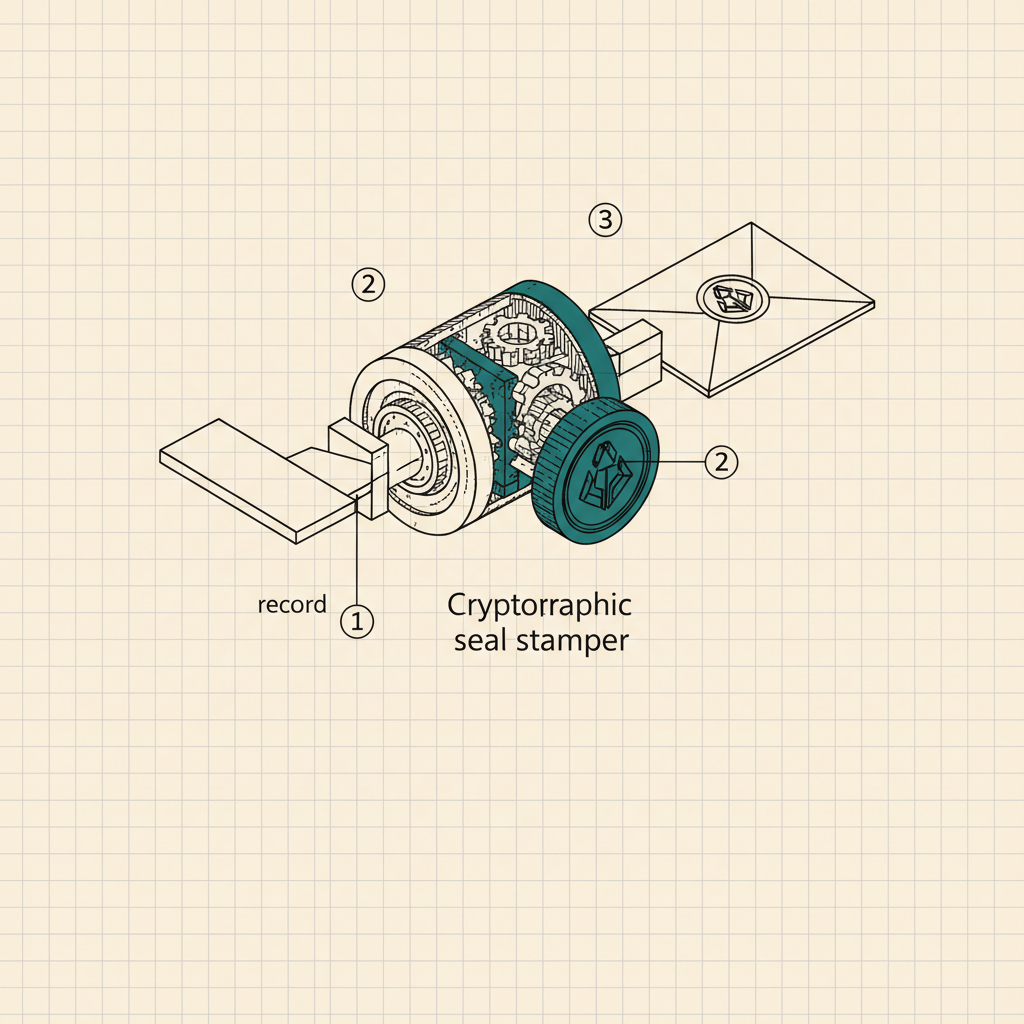
Mastra runs an HTTP server that exposes registered agents and workflows as API endpoints. A request can pass through middleware, receive request context, invoke an agent, and leave for a provider selected as provider/model. Those hops use different credentials. They may carry different identity detail.
I would approve a Mastra deployment only after tracing one request across both boundaries. The record should prove which inbound routes require authentication, which principal reaches request context, where the outbound model call goes, and how direct provider access fails.
TL;DR
- Inventory the Mastra listener and built-in routes, then record custom routes, Studio access, middleware, and public exceptions.
- Configure authentication and test missing credentials. Then test invalid credentials and custom-prefix protection.
- Record each agent's provider/model route and provider credential owner. Also record the caller context carried into the model request.
- Force outbound LLM HTTP through one proxy and prove that direct provider destinations fail from the runtime.
Draw two routes before testing controls
Mastra's server overview describes an HTTP server that handles routing, middleware, authentication, and streaming. It exposes registered agents and workflows. It also supports custom API routes and can pass request-specific values through request context into agents, tools, and workflows. The default port is 4111 when the relevant environment value or configuration is absent, and the default host is localhost.
Draw the client-to-Mastra route and the separate agent-to-provider route, including the reverse proxy and network-policy points. Add the inbound path and method. Then add the agent ID, model, provider base URL, and credential reference.
On paper, the arrows can look like one continuous line. In a packet capture, they are separate connections with different authentication. The Google ADK security guide uses the same deployment-acceptance distinction for another agent framework: framework controls and provider-route controls need separate evidence.
Authentication is optional and prefix-sensitive
Mastra's authentication documentation states that authentication is optional. With no provider configured, Studio and all routes are publicly accessible. Once configured, authentication can protect Studio and built-in API routes, while individual custom routes can be public through their own setting. A small set of built-in capability routes also remains public by design.
Inventory the effective route tree and mark every public exception. Identify the provider used for server.auth and any separate Studio provider. Omit the credential on a built-in agent route, then send an invalid value before the valid one. Repeat against each custom route that can invoke an agent or workflow.
The custom-prefix warning deserves its own release test. Mastra says the default protected patterns target /api/*. A custom prefix configured through server.apiPrefix can move built-in routes outside those patterns until the protected and public matchers are updated. I would block a release over one unprotected prefix. It is the kind of defect a committee may call "configuration drift" after the internet has already called it an open endpoint.
Inbound identity must survive the framework boundary
Mastra supports middleware for authentication and request-specific context. That gives the application a place to attach a verified principal and tenant, plus a role or policy input, before an agent runs. The acceptance record should show the exact field names and their source. It should also identify the component allowed to write them.
Send two users with different roles through the same agent route. Capture the principal at ingress and inspect the agent's request context. Preserve the identity attributes placed on the model request or approved gateway envelope. A shared provider API key authenticates the Mastra runtime, without identifying the user who initiated the turn.
The post-authentication analysis in the Letta security guide applies here as well. A valid session establishes access to the framework route. Per-request policy at the LLM boundary needs the caller or agent context that the application deliberately propagates. Remove that context in one controlled test. Require the downstream decision point to deny the call.
Provider and model selection define outbound scope
The Mastra agent overview specifies a model as provider/model-name through Mastra's model router. Registered agents can be called from route handlers or workflows, tools or other agents, the client, and the command line. Dynamic configuration can also select models based on request context. Each path can change the effective destination.
For every production agent, record the default provider/model pair and permitted alternatives, including request-time overrides. Add the base URL and credential reference, then the network destination. The server overview says Mastra's experimental OpenAI-compatible Responses routes can accept a model override for one request, so those routes need an allowlist or denial test.
Provider credentials belong to the runtime owner. Test missing and invalid values. Follow with the retired value after rotation. Keep that evidence separate from end-user identity. The DSPy security acceptance guide applies the same rule: review the effective route under the released configuration.
Direct-provider bypass is a release condition
An outbound policy point governs only the calls that reach it. A Mastra runtime with network access and a direct provider credential may avoid that point by changing its base URL or provider configuration. Route intent needs a network result beside it.
Run one fixed agent request through the approved proxy and retain the proxy decision ID and Mastra request identifier, along with the agent and provider response identifier. Then point the released runtime at each provider's direct hostname. Repeat against private inference endpoints and development gateways. Egress policy or credential scope should deny those connections.
An absent proxy event is expected during a blocked direct attempt, so pair it with the network denial from the workload boundary. The LLM egress control guide describes the surrounding destination restriction and exception process. I would reject a bypass exception that expires "after migration." Give it a date and an owner. Add a test that closes it.
Traces and decision evidence have different jobs
Join framework and policy records with one identifier propagated through middleware and the outbound path. Trigger a permit and denial, then retrieve both from their stores. A dashboard image only proves that a screen rendered. Keep event IDs and timestamps with storage destinations and owners. Keep the retrieval results too.
Studio access, agent memory, tool execution and MCP traffic, and workflow state keep their own control owners. Provider-route evidence cannot stand in for those surfaces, and framework traces cannot stand in for an independent per-decision policy record.
Production acceptance record
Keep one versioned artifact tied to the Mastra build and deployment revision:
- Inbound surface: listener and reverse proxy, Studio exposure and built-in routes, plus custom routes and deliberate public exceptions.
- Authentication: configured providers and protected or public patterns, plus missing and invalid results and the valid result after any API-prefix change.
- Identity context: principal source and trusted writers, plus field mapping and permitted or missing-context decisions.
- Model routes: agent IDs and provider/model pairs, overrides and base URLs, credentials, and approved egress destinations.
- Bypass coverage: direct provider and private inference addresses, observed denial point, plus the exception owner and expiry.
- Correlation: Mastra request or trace identifier joined to the outbound policy decision and provider response.
Re-run affected tests after an auth-provider change or API-prefix edit, a new route or model override, a credential rotation, and a network-policy update. Store the expected result beside the evidence location.
DeepInspect
DeepInspect governs outbound authenticated LLM HTTP deliberately routed from Mastra through its proxy. Mastra middleware or application code supplies verified user or agent context. DeepInspect evaluates that context with the destination and request data under the active policy before forwarding an allowed provider call, then writes a per-decision audit record.
Mastra Studio, memory, local tools and MCP calls, and workflow execution retain separate owners. Inbound Mastra authentication and provider credential custody also remain distinct. Direct provider traffic bypasses DeepInspect, which makes the failed direct-route result a required part of the deployment record.
Book a technical deep dive at deepinspect.ai.
Frequently asked questions
- Does Mastra authentication secure downstream model calls?
Mastra authentication protects Studio and configured API routes. The provider credential authenticates the outbound model call. Propagated user or agent context and an outbound policy decision connect those boundaries.
- What should be tested after changing `server.apiPrefix`?
Enumerate built-in routes under the new prefix and verify the protected and public patterns. Omit credentials on the agent endpoint, then try an invalid value and the approved one. Repeat for workflows and custom endpoints.
- Can a Mastra trace prove that gateway policy ran?
A trace can prove framework execution and provide correlation identifiers. Gateway enforcement needs its own decision record for traffic that reached the policy point, joined to the Mastra event through a stable identifier.