LLM Caching Creates a Second Data Store with Its Own Access Rules

LLM caching can reduce latency and repeated token spend, but semantic and prefix caches create another store for prompts, responses, embeddings, or provider-side context. Security design needs cache scope, tenant isolation, key construction, encryption, expiry, invalidation, and a rule for which data classes may be cached.
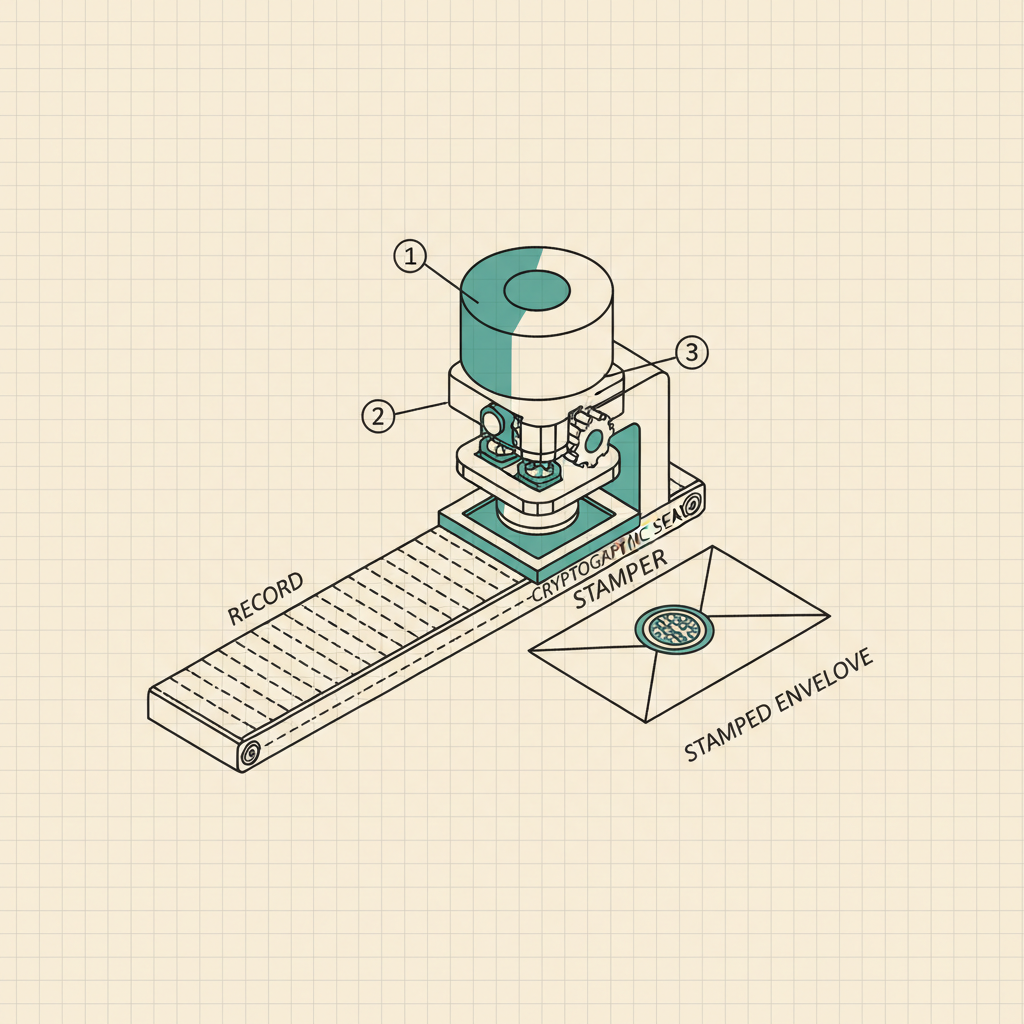
An LLM cache can return a prior response without sending the same request through the full inference path. That saves time and tokens. It also creates a second decision path and a new data store that may outlive the application session.
The security review should follow both paths. Trace what happens after a cache miss, then repeat the exercise for a hit. The faster route still needs an identified caller, a current policy decision, and evidence showing which stored result was returned. Otherwise, the cache becomes an undocumented authorization layer.
TL;DR
- Separate application response caches, semantic caches, prefix caches, and provider-side prompt caching.
- Include tenant and policy context in cache scope, then exclude restricted data classes by default.
- Apply authorization before every cache hit and record whether the answer came from cache or model inference.
- Give each cache an owner and a tested deletion process.
Three caches with different custody
OpenAI documents prompt caching for repeated prompt prefixes, while Anthropic documents its own prompt caching controls. Provider-side caching follows the provider's route and terms. An application response cache stores complete results under customer control. A semantic cache uses similarity to reuse a response for a related request.
Those mechanisms answer different performance problems. Put each on the architecture diagram with its owner and stored fields. Record its expiry, region, deletion method, and evidence source beside it.
Custody determines which team can inspect or remove an entry. For an application cache, the service owner may control the storage account and invalidation call. A provider-side cache follows controls exposed by that provider. Document the boundary rather than grouping every mechanism under one box labelled "cache."
Start with scope. A cache dedicated to one tenant has a different exposure from a shared store whose keys carry tenant context. The diagram should show that distinction clearly enough for a reviewer to follow a prompt from receipt to deletion.
Cache keys are authorization design
A cache key built only from prompt text can cross users, roles, tenants, or policy versions. Include tenant and authorization scope where responses differ by access. Re-evaluate caller permission before serving a hit. A user who lost document access should not retain it through yesterday's cached answer.
A semantic cache raises another issue: two prompts can be "close" while their permitted data differs. Keep similarity thresholds and source ACL context in the test plan. I would disable cross-user semantic caching for regulated content unless the team can prove isolation with adversarial tests.
Key construction deserves a written specification. State which identity attribute enters the namespace and which policy version changes the identifier. If document permissions affect an answer, include a stable representation of that access scope or perform a fresh authorization check against the source before delivery.
Then test collisions. Use two callers with similar prompts but different permissions and confirm that neither receives the other's stored response. Repeat the test after a role change. One stale hit is enough to show that the cache and the authorization system disagree.
Data classification controls storage
Decide which prompt and response classes may enter each cache. Credentials, health information, legal privilege, and unreleased financial data may need a no-cache action. Encryption and expiry help, but they do not settle inappropriate placement.
A small amber "cached" badge in a developer console should map to a real event. Store cache type, key namespace, tenant, policy version, hit or miss, expiry, and request ID. Avoid logging the full identifier when it contains sensitive content.
Classification should happen before the write. Marking an entry after storage leaves a period in which restricted content already exists in the cache. The application can instead evaluate the data class during the request and carry the resulting cache action into the response path.
Expiry also needs a reason. A short lifetime limits persistence, while a longer lifetime may preserve an answer after its source changes. Record the chosen duration with the data class and business purpose so a reviewer can tell why that entry was allowed to remain.
Deletion must be observable. A successful application response should identify the affected namespace or entry without exposing sensitive key material. The follow-up check should confirm that another request cannot retrieve the deleted value.
Enforcement before the hit
The AI gateway guide explains the request boundary. Policy evaluation should run before a cached response reaches the caller. The prompt retention policy should list caches separately from provider logs and audit records.
Invalidate entries when permissions, source documents, policy versions, model safety requirements, or legal holds change. Test deletion across replicas and backups according to the cache product's documented behavior.
Place the cache lookup after caller authentication. If the architecture requires an earlier lookup for performance, hold the result until authorization finishes and discard it when policy denies access. A hit should save inference work without deciding who may see the answer.
Audit events need enough context to reconstruct the path. Record the policy decision linked to the request ID and cache event. During an investigation, that connection shows which rule applied at delivery time rather than only the rule that applied when the response was first generated.
Failure behavior matters too. If the policy service is unavailable, the application needs an explicit rule for cached responses. Serving an old answer without a current decision trades availability for access risk, and that choice belongs in the design review.
DeepInspect
DeepInspect can enforce identity and content policy on authenticated HTTP AI traffic before a model call. Customer-controlled cache hits need the same policy integration so authorization cannot be bypassed by the faster path.
Book a technical deep dive at deepinspect.ai.
Frequently asked questions
- Does a cache hit avoid the model provider?
An application-managed response cache may do so. Provider-side prompt caching still occurs inside the provider route, and semantic-cache designs vary.
Confirm the route with request telemetry instead of assuming that the word "cached" means the provider was skipped. The application event should identify the cache type and show whether a model request followed.
- Should cached responses skip output inspection?
No. Authorization and output policy apply to the response delivered now, regardless of when it was generated.
The stored response may have been created under an older policy or from a source the caller can no longer access. Inspecting the delivered output and recording the current decision keeps the fast path under the same controls as a fresh response.