Hugging Face Security: What Access Tokens and Endpoint Isolation Cover

Hugging Face secures the Hub and Inference API through three separate mechanisms: fine-grained access tokens with org-level roles, private or gated repositories, and network isolation options on Inference Endpoints. Each answers a different question about who can reach a model. None of the three evaluates the specific prompt a specific authenticated caller sends on a given request. This piece maps where each control ends.
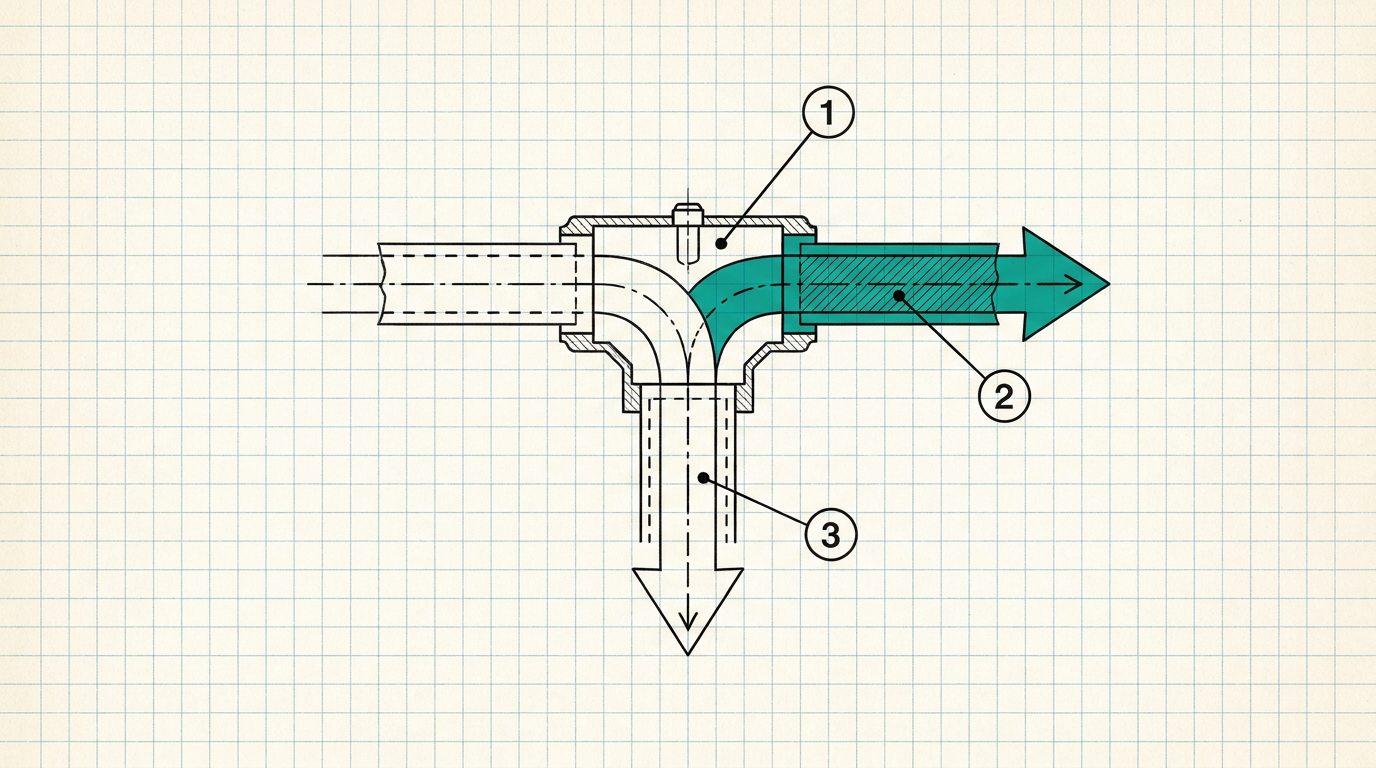
A request to a Hugging Face Inference Endpoint carries a model identifier, an access token, and a payload. Three controls decide what happens before that payload reaches a model. The token's scope and the calling account's organization role decide which service may call the endpoint at all. The visibility setting on the repository behind the endpoint decides who can see or download it. For dedicated Inference Endpoints, a network setting decides whether the endpoint sits on the open internet or behind a private connection inside the customer's own cloud. I want to walk through what each control actually secures, then the request none of them evaluate.
TL;DR
- Fine-grained access tokens and organization roles (Admin, Write, Contributor, Read) control which account can call a hosted model, push to a repository, or manage an organization's resources.
- Private and gated repositories control who can view or download a model, dataset, or Space, not what a permitted caller sends once access is granted.
- Inference Endpoints ships Public, Protected, and Private network types, the last routed through AWS or Azure private networking; that secures the path traffic travels, not the content inside it.
- None of the three evaluates a live request against the specific end user or agent behind a shared token, the sensitivity of that prompt, or the policy that should govern it right now.
Access tokens and org roles authorize the account, not the request
Hugging Face's fine-grained access tokens scope a credential to specific repositories and specific permissions: read, write, or the ability to call Inference Providers. Organization membership adds a second layer, with roles of Admin, Write, Contributor, and Read that determine what a member can do across the org's repos and billing. Together, a token and a role answer a clean question: which account, with which scope, may act on which resource.
That question stops at the account boundary. A backend service calling a hosted model on behalf of a hundred employees typically holds one token, and its scope stays identical no matter which employee's request triggered the call. A support tool built on a shared inference token authorizes every prompt it forwards, whether the person behind it is a rep answering a billing question or a contractor testing an unrelated idea at midnight. The token secures who can invoke the API. It has no field for who, inside the calling application, actually sent this call.
Private and gated repos control visibility, not use after access is granted
Marking a model, dataset, or Space private on the Hub restricts who can view or clone it to the owning account or organization members with sufficient role. Gated repositories add a manual step: a user must accept the repo owner's terms before download access is granted, a pattern Meta uses for several Llama releases. Hugging Face's Hub security documentation covers both mechanisms alongside malware and pickle scanning on uploaded files.
Both controls answer a visibility question, not a usage question. Once an account clears the private-repo check or accepts a gate's terms, the repo behaves the same for that account as any public one, and nothing inspects what the downloading application later sends to the model at inference time. Visibility and gating decide who gets in the door, not what happens at the desk once someone is inside.
Inference Endpoints isolate the network path, not the prompt crossing it
Hugging Face Inference Endpoints can be deployed as Public, Protected, or Private. Public endpoints are reachable from any IP address. Protected endpoints require a valid Hugging Face token on every call. Private endpoints go further: traffic reaches the model only through a private connection inside the customer's own AWS or Azure account, with no path across the public internet at all.
That is a real improvement over a public endpoint, and it solves a network problem. Private networking narrows who can send traffic down the pipe rather than opening the pipe to inspect what travels through it, so a compromised token used from inside that same trusted network reaches the model exactly as fast as a legitimate one.
The request-level gap across all three controls
Stack fine-grained tokens, private repos, and Private Inference Endpoints together and the result is a locked door, a guest list, and a private hallway. What none of them provide is someone standing at the model's threshold checking who is actually walking through on this specific call, with this specific data, under this organization's current policy. That is the post-authentication gap: the calling service authenticated cleanly, and the request still needs a decision no native Hugging Face control makes. Why AI security must be inline makes the general version of the argument, and zero-trust for LLM traffic describes what a per-request decision requires.
I think Hugging Face's fine-grained tokens are a better default than most model providers ship, and that is exactly why teams stop looking past them. A well-scoped token feels like the job is done. It answers "can this service call this model," not "should this prompt, from this person, go to this model right now," and enterprises treating the first answer as covering the second usually find that out during an incident review. Hugging Face's own July 2026 disclosure of an intrusion into part of its production infrastructure is a different problem, an attack against Hugging Face's own systems rather than a request an authorized caller sent to a hosted model, but it is still a reminder that access controls and request-level scrutiny solve different problems, even for the vendor.
DeepInspect
This is the gap DeepInspect closes. DeepInspect sits inline in front of the Hugging Face Inference API, or any other HTTP-based LLM endpoint an organization calls, as a stateless proxy. Every request is evaluated against the identity context the calling application supplies, the role behind that identity, and the classification of the prompt, before the request reaches Hugging Face's model.
The decision, permit, redact, or deny, gets recorded in a signed, tamper-evident audit entry tied to the actual authenticated caller rather than the shared token that made the underlying API call, giving a security team the per-decision audit trail that token and repo settings alone were never designed to produce. Fine-grained tokens, org roles, private repos, and Private Inference Endpoints keep doing the job they already do well. DeepInspect adds the layer none of them were built to provide: a per-request, identity-bound policy decision, independent of how the Hugging Face account itself is configured.
Book a demo today.
Frequently asked questions
- Do fine-grained access tokens remove the need for a separate policy layer?
No. A fine-grained token scopes a credential to specific repositories and permissions, a real improvement over a broad classic token. It still authorizes the calling account, not the individual person or agent behind a shared service integration. A security team that wants to know which employee's prompt reached a model on a given afternoon needs identity context the token was never built to carry.
- Can a private repository stop an authorized user from misusing a model after download?
No. Private and gated repositories decide who can view or download a model or dataset. Once that check passes, the repo behaves the same for that account as a public one would, and nothing in the mechanism inspects the prompts an application later sends to that model or the responses it gets back.
- How does this compare to the July 2026 Hugging Face intrusion coverage?
That incident involved an autonomous agent framework compromising part of Hugging Face's own production infrastructure through a dataset pipeline, a supply-chain and infrastructure story. The request concerns a different layer: how an enterprise's authorized caller reaches a hosted model over the Inference API, and what its tokens and network settings do and do not evaluate about that traffic.
- Is Hugging Face's Inference API secure enough for regulated data on its own?
Tokens, org roles, private repos, and Private Inference Endpoints give an enterprise real, usable control over who can reach a model and over what network path. None of them produces a per-request record showing which authenticated individual sent a specific piece of regulated data to a specific model under a specific policy. A regulated deployment usually needs that record from an additional layer.